If you are planning to visit Korea for cosmetic surgery or medical treatment, you may need a medical visa. This special visa allows you to stay in Korea longer than a standard tourist visa so you can complete your treatment and recovery. Understanding how the medical visa works will help you plan your trip with confidence.
What is a Medical Visa for Korea?
A medical visa for Korea, officially called the Medical Stay Visa (C-3-3 for short stays or G-1-10 for longer medical stays), is issued to foreign nationals who travel to Korea specifically for medical treatment. It is different from a regular tourist visa because it is tied to your treatment schedule and hospital documentation.
- Longer stay allowed: You can stay in Korea for 90 days or more depending on your treatment plan, compared to the standard 30-90 day tourist visa limit.
- Easy to extend: If your recovery takes longer than expected, the medical visa can often be extended inside Korea without leaving the country.
- Covers all medical procedures: The visa applies to cosmetic surgery, dental work, cancer treatment, orthopedic procedures, and more.
Types of Medical Visas Offered in Korea
There are two main visa types for medical visitors to Korea:
- C-3-3 Short-Term Medical Visa: Valid for stays up to 90 days. This is the most common option for people getting cosmetic procedures like rhinoplasty, double eyelid surgery, or liposuction. It is applied for before you arrive in Korea.
- G-1-10 Long-Term Medical Visa: Valid for stays longer than 90 days. This visa is for patients undergoing extended treatments such as cancer therapy, complex reconstructive surgery, or multiple staged procedures. It can be renewed inside Korea.
- Visa Waiver Entry: Citizens of certain countries, including the United States, United Kingdom, Canada, and Australia, can enter Korea visa-free for up to 90 days. If your treatment and recovery fit within this window, you may not need a formal medical visa at all. Check your country’s specific agreement with Korea before applying.
Why Choose Korea for Medical Treatment?
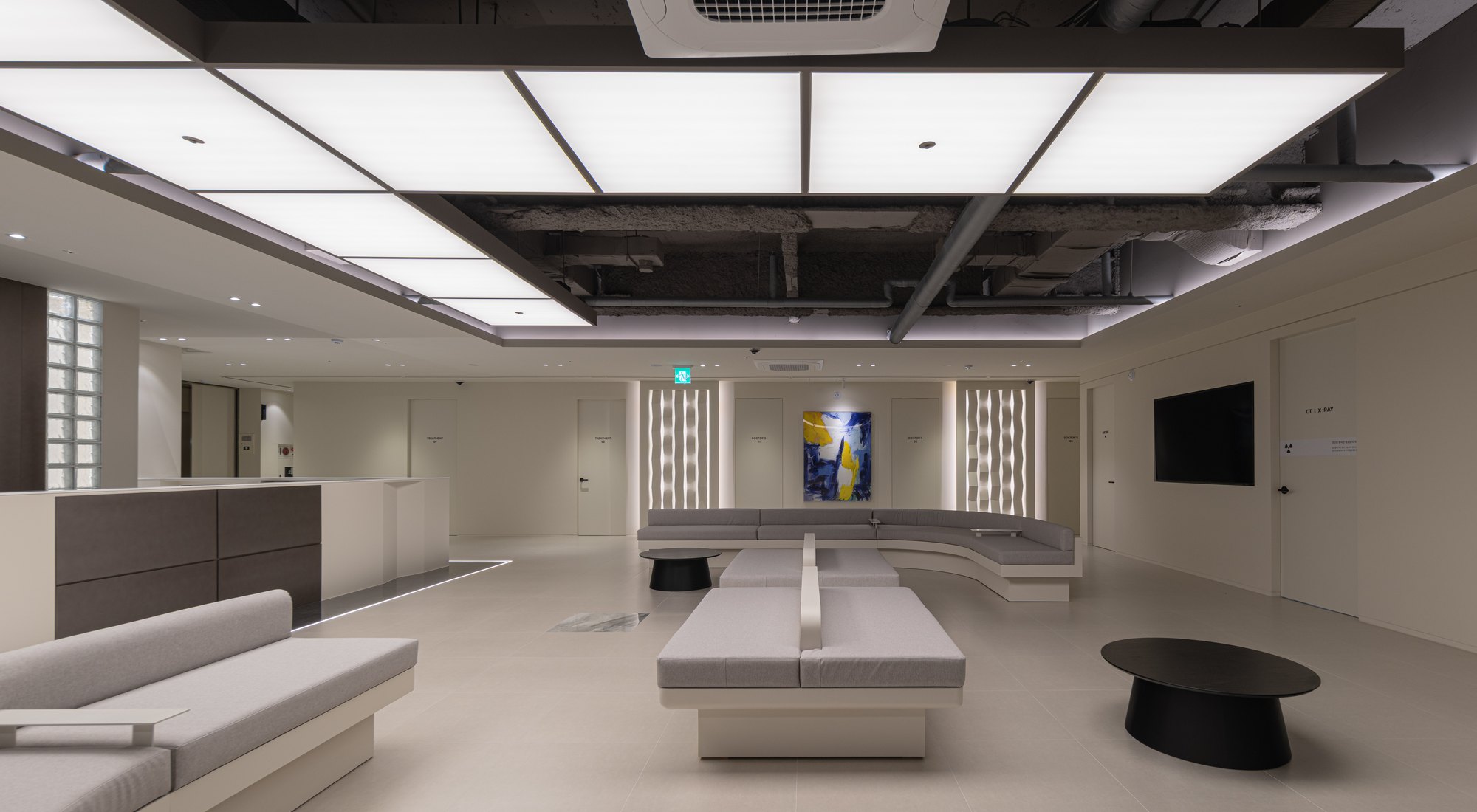
- World-class facilities: Korea is home to internationally accredited hospitals and clinics, especially in Seoul’s Gangnam district, known as the cosmetic surgery capital of Asia. You can find a verified korean dermatology clinic with experienced professionals ready to serve international patients.
- Experienced specialists: Korean surgeons complete highly competitive training programs and often perform thousands of procedures per year.
- Affordable prices: Cosmetic procedures in Korea cost significantly less than in the United States, United Kingdom, or Australia without sacrificing quality.
- Dedicated medical tourism support: Many Korean hospitals have international patient centers with English-speaking coordinators who help with visa paperwork, translation, and scheduling.
- Government oversight: The Korean government actively regulates and promotes medical tourism, providing an extra layer of patient safety and accountability.
Cost of Getting a Medical Visa for Korea
The visa application itself is low cost. Here is a general breakdown:
- C-3-3 Short-Term Medical Visa application fee: Approximately ₩40,000–₩60,000 (around $30–$45 USD) depending on your country of origin and the embassy handling your application.
- G-1-10 Long-Term Medical Visa application fee: Approximately ₩60,000–₩80,000 (around $45–$60 USD). Extension fees inside Korea are similar in range.
- Medical invitation letter from hospital: Many hospitals provide this document free of charge as part of their international patient services.
- Translation and notarization costs: If your supporting documents need certified translation, budget approximately ₩50,000–₩150,000 (around $38–$115 USD) depending on the volume of paperwork.
What to Expect During and After the Visa Process
First, confirm your procedure with your chosen Korean hospital and request an official medical invitation letter. This letter should include your treatment plan, estimated dates, and hospital contact information. Next, gather your supporting documents: valid passport, completed visa application form, proof of financial means, round-trip flight itinerary, and the medical invitation letter. Submit your application at the nearest Korean embassy or consulate in your home country. Processing time is typically 3 to 7 business days for short-term visas and up to 2 to 3 weeks for long-term visas. Once approved, your visa will be stamped in your passport. Upon arrival in Korea, immigration officers may ask to see your medical appointment confirmation, so keep a printed or digital copy easily accessible.
Follow-up and Results
After your procedure, your medical visa gives you the flexibility to complete follow-up appointments and recover properly before flying home. If your recovery requires more time, your hospital’s international patient coordinator can assist you in applying for a visa extension at a local immigration office. Most short-term cosmetic procedures require a follow-up visit 1 to 2 weeks after surgery. Long-term visa holders can schedule multiple check-ups without the stress of visa expiry. Planning your visa timeline around your treatment schedule is the single most important step to a smooth medical trip.
Conclusion
Getting a medical visa for Korea is a straightforward process when you have the right documents and hospital support. Whether you are visiting for a single cosmetic procedure or a longer treatment program, Korea’s medical visa system is designed to make your stay safe, comfortable, and hassle-free. With world-class surgeons, affordable prices, and strong government oversight, Korea remains one of the top destinations in the world for medical tourism.
Ready to start planning your medical trip to Korea? Contact us on WhatsApp today for a free consultation. Our team will help you choose the right clinic, prepare your visa documents, and plan every step of your journey to Seoul. Message us now and get personalized guidance within 24 hours.